
Souli is a mountainous region that the Turks never subdued during the Ottoman period, remaining the unbowed refuge of all who refused enslavement. Surrounded by Mts Mournga, Zavrocho and Troulia, it consisted first of four and later of seven villages; at its mid-18th-century heyday it ruled over 80 villages and had some 6,000 inhabitants, 1,700 of them armed. The barrenness of their land led the Souliots to levy taxes on the Ottoman agas, provoking repeated campaigns against them.
The Turks launched many fruitless expeditions against Souli, culminating in Ali Pasha's blockade of 1800. Led by Fotos Tzavelas, the Souliots resisted and inflicted heavy losses. In 1803 they signed a treaty to abandon their homeland. One group heading for Zalongo was attacked by Ali's army and took refuge in Koungios Monastery, where the monk Samuel blew up the munitions store rather than let it fall to the Turks.
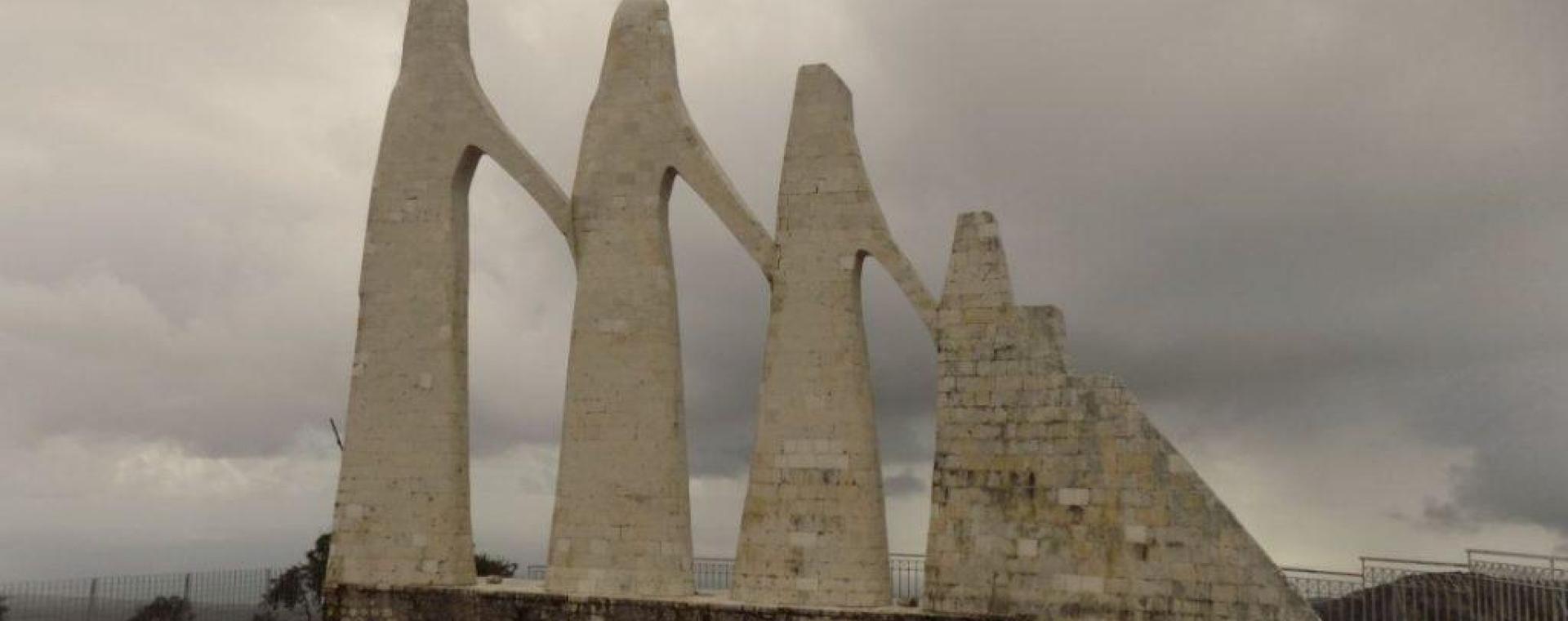
At the same time a group of women, led by Eleni Botsari, sought refuge on Stefani peak and, to escape slavery and dishonour, threw their children over the cliff and, according to the legend, fell dancing hand-in-hand one after another over the edge. At Zalongo stands the monument of the dancing women by the sculptor Zongolopoulos, reached by 410 steps.
On the level peak survive the remains of the old Monastery of the Taxiarches (Archangels), founded in the 8th century and abandoned in 1777, when the new Monastery of Aghios Demetrios was built. Its wall paintings were executed in 1816; after much destruction it was renovated in 1956 and today operates as a convent.

